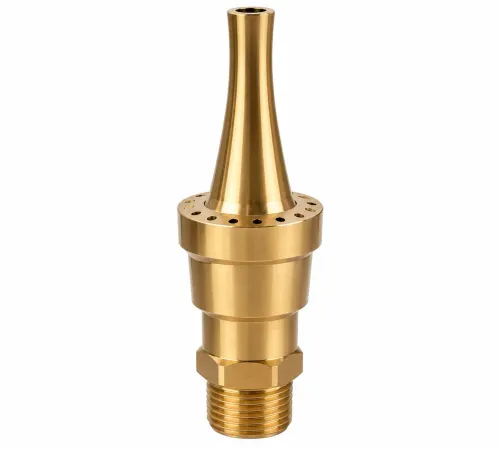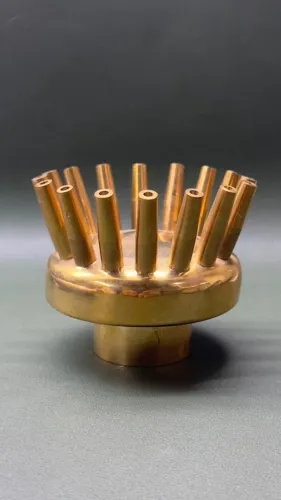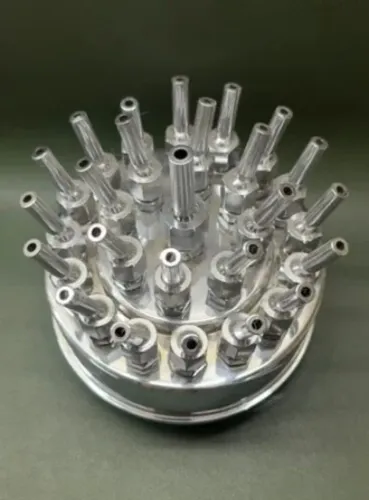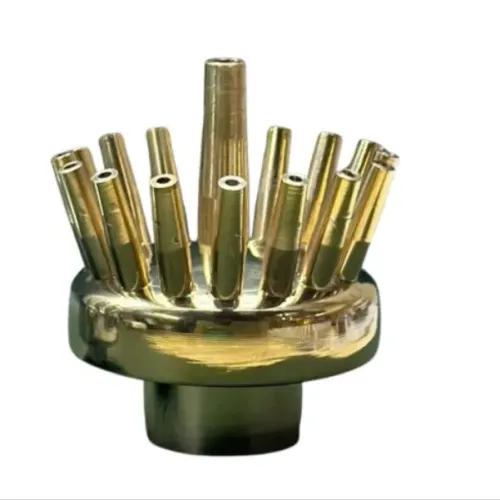
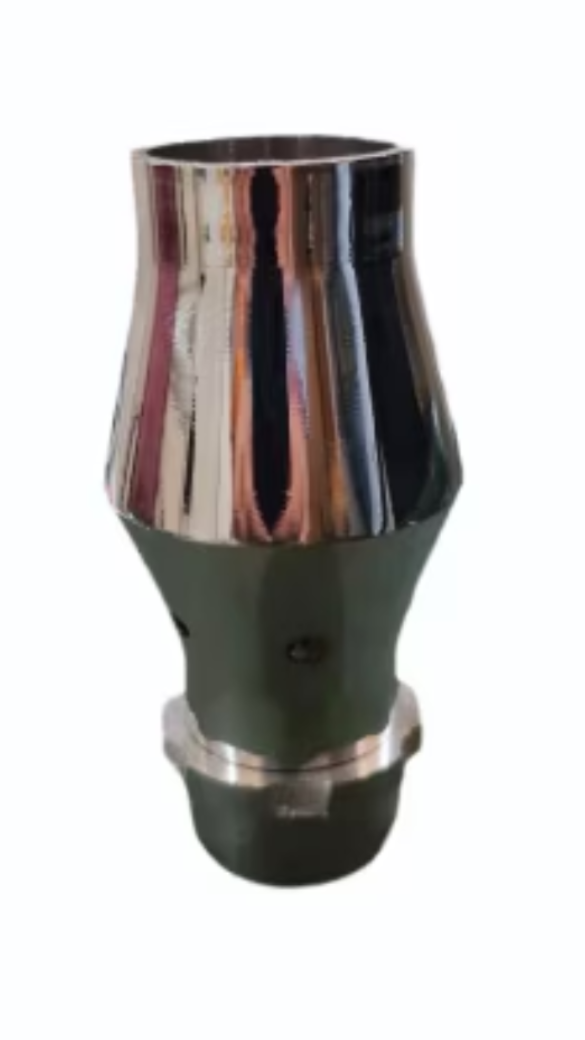
A clean vertical stream may appear simple, but producing a consistent water jet requires the right combination of nozzle design, water flow and pressure. A Jet Nozzle is widely used when fountain designers want a defined stream rather than a dispersed spray pattern.
This makes jet-style arrangements suitable for landscapes, commercial entrances, public spaces and architectural fountains across Gurgaon, Haryana.
What Makes a Jet Nozzle Different
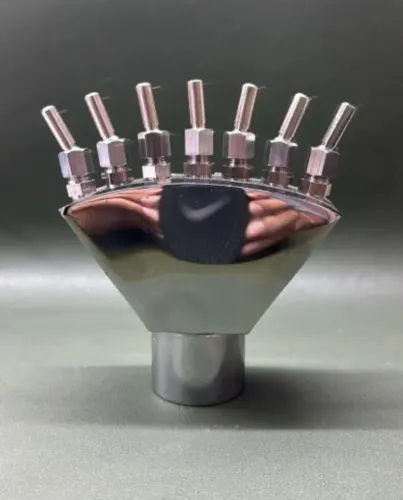
Jet nozzles concentrate water into a comparatively narrow stream. Depending on the fountain layout, individual jets can be positioned vertically, angled or arranged in a repeated sequence.
Designers commonly use them for:
- Straight fountain columns
- Arching streams
- Symmetrical fountain layouts
- Sequential water features
- Perimeter arrangements
- Interactive visual displays
The simplicity of the pattern also allows multiple jets to be combined into larger geometric designs.
Water Pressure Must Match the Desired Effect
One common planning mistake is deciding the jet height without checking the hydraulic requirements.
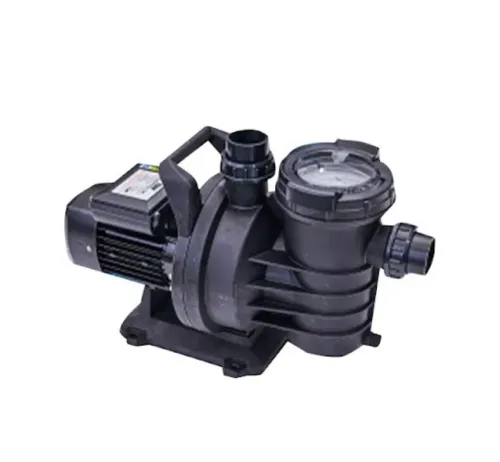
Higher jets generally need appropriate water flow and pressure. If the pump and nozzle are mismatched, the stream may not achieve the expected height or may appear unstable.
Pipe diameter, the number of nozzles connected to a line and pressure losses within the system also influence performance.
For multi-nozzle installations, maintaining balanced distribution is particularly important. If pressure varies significantly between outlets, some jets may appear taller than others.
Outdoor Conditions Can Change the Result
A tall, narrow water stream can be influenced by wind. This becomes relevant for outdoor fountains in Gurgaon, especially in open commercial landscapes and large property developments.
Designers should therefore consider the relationship between:
- Jet height
- Basin width
- Surrounding pedestrian areas
- Prevailing wind exposure
- Acceptable splash range
A visually impressive jet that constantly throws water outside the basin creates unnecessary water loss and maintenance.
Keep Maintenance in the Design
Consistent water quality supports consistent nozzle performance. Sediment and debris can affect smaller water outlets, so fountain filtration and routine cleaning should be planned from the beginning.
Accessible nozzle placement also makes alignment and cleaning easier.
Before purchasing jet nozzles, contractors should establish the required water pattern, approximate height, nozzle quantity, pipe layout and pump specification. Providing these details allows a manufacturer to recommend a more suitable configuration.
Samudra Industries manufactures fountain and water-system components for varied project requirements, helping buyers evaluate products according to the intended application rather than selecting solely on appearance.
A jet fountain works best when its visual concept and hydraulic design are planned together. Correct sizing, balanced pressure and practical placement can turn a basic water stream into a precise architectural feature.
Keywords