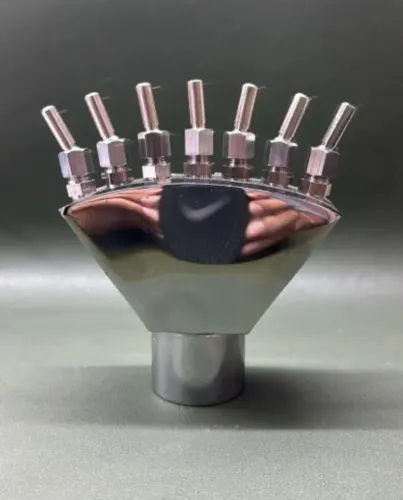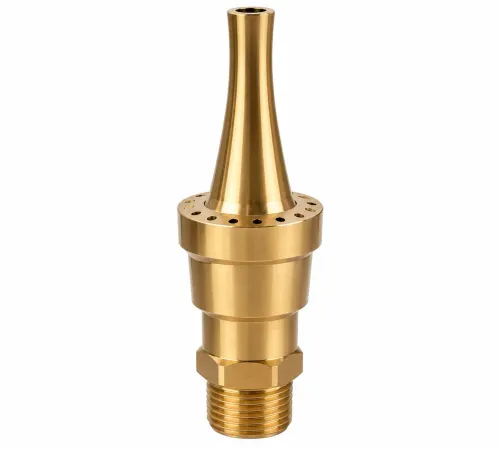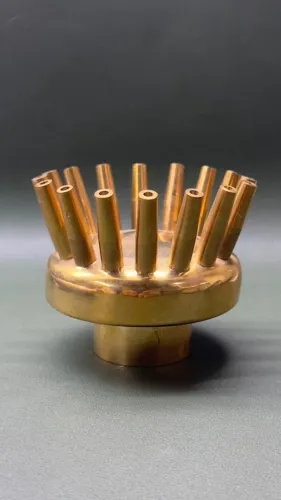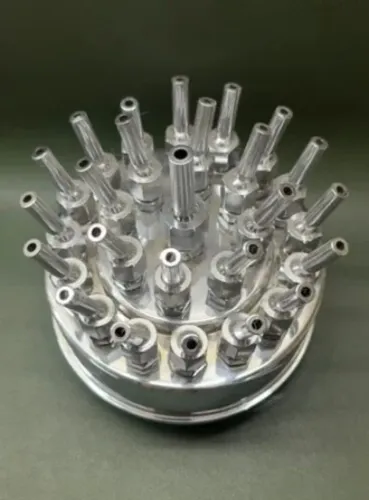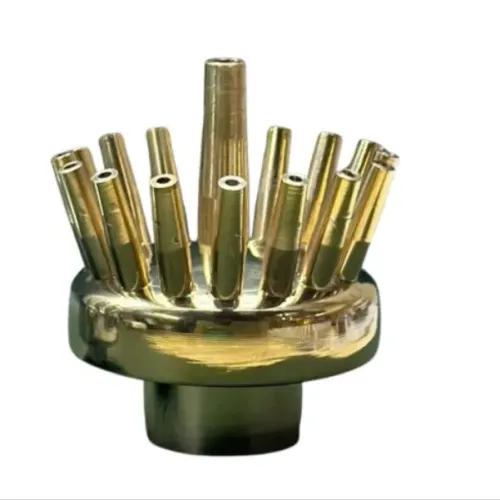
A rain dance installation needs to deliver more than water from overhead outlets. The experience depends on distribution, pressure, layout and the number of Rain Dance Nozzle units used across the structure. Poor planning can result in dry spots, excessive water concentration or an uncomfortable spray pattern.
For resorts, clubs, event venues and recreation projects in Noida, Uttar Pradesh, selecting the nozzle system according to actual operating requirements is essential before fabrication and installation begin.
Start With the Coverage Area
The dimensions of the rain dance zone determine how many outlets may be needed and how they should be positioned.
A small private installation has different requirements from a large commercial dance floor. Nozzles should be distributed so participants experience reasonably consistent water coverage throughout the usable area.
Before contacting a manufacturer, establish:
- Length and width of the rain dance area
- Approximate installation height
- Expected number of users
- Available water supply
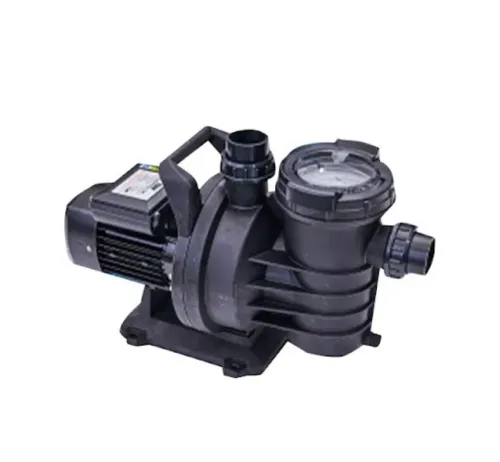
- Pump specifications
- Pipe arrangement
- Drainage capacity
These details make it easier to assess the required system.
Avoid Focusing Only on the Number of Nozzles
More nozzles do not automatically produce a better rain effect.
Every additional outlet adds to the total water-flow requirement. If the pump cannot maintain suitable pressure across the complete network, the result may become uneven.
Pipe sizing and distribution layout therefore need to be coordinated with nozzle quantity.
In larger systems, dividing the installation into controlled sections may provide greater operational flexibility.
Check Water Management Requirements
Commercial rain dance systems can use significant quantities of water during operation. Drainage must be capable of handling the resulting flow without allowing water to accumulate in unintended areas.
Floor design, surface grip and drainage positioning should therefore be planned together with the water-distribution system.
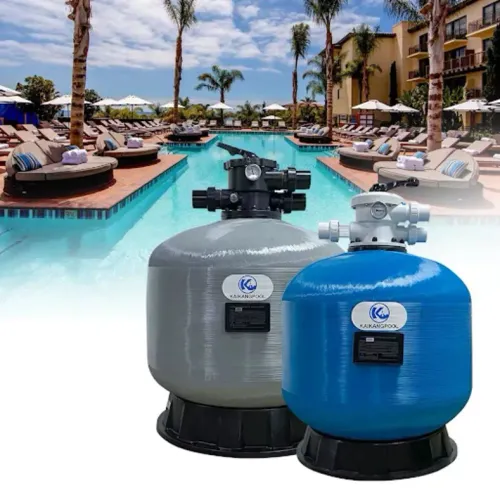
Where water is recirculated, filtration and water-quality management become particularly important.
Signs a Project Is Ready for Manufacturer Selection
A buyer is better prepared to compare manufacturers once the core technical requirements are documented.
Look for a provider that can discuss:
- Nozzle suitability for the required effect
- Material and product specifications
- Pump and pressure considerations
- Quantity requirements
- Installation compatibility
- Related water-control components
The ability to understand a project requirement is particularly useful for contractors purchasing equipment for commercial installations rather than isolated replacement parts.
Samudra Industries manufactures fountain, nozzle and water-system products for varied project applications, including requirements where multiple components need to work within one installation.
For rain dance projects in Noida and surrounding NCR markets, procurement should begin with coverage, water flow and system design rather than price alone. When nozzle spacing, pumping, piping and drainage are properly coordinated, the finished installation can provide a more consistent rain effect while remaining practical for operators to manage.
Keywords