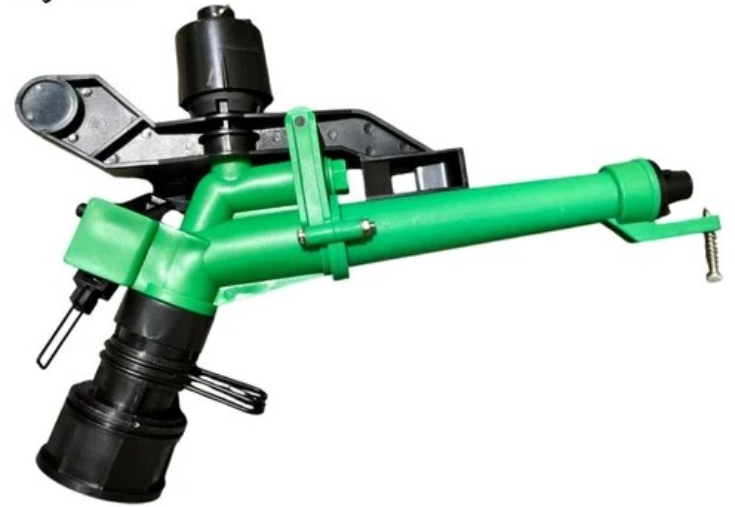
Watering a large open area manually can require considerable time and labour. A Rain Gun provides a different approach by distributing water over a comparatively broad radius, making it useful for agricultural fields, landscapes and other applications where wide-area irrigation is required.
For users around Faridabad, Haryana, understanding the operating requirements of rain guns is important before deciding whether they are suitable for a particular site.
How a Rain Gun Distributes Water
A rain gun is designed to project water over a larger area than many conventional small sprinklers. The mechanism rotates or moves while operating, helping distribute water across the intended coverage zone.
Applications may include:
- Agricultural irrigation
- Large lawns
- Nurseries
- Sports grounds
- Landscape developments
- Dust-control applications
- Large green areas
The actual coverage depends on the model, nozzle configuration, water pressure and environmental conditions.
Pressure Is Central to Performance
A rain gun cannot be evaluated independently of the water source and pumping arrangement.
Insufficient pressure may reduce throw distance and lead to uneven distribution. Excessive or poorly controlled pressure can also affect system performance.
Before installation, users should understand:
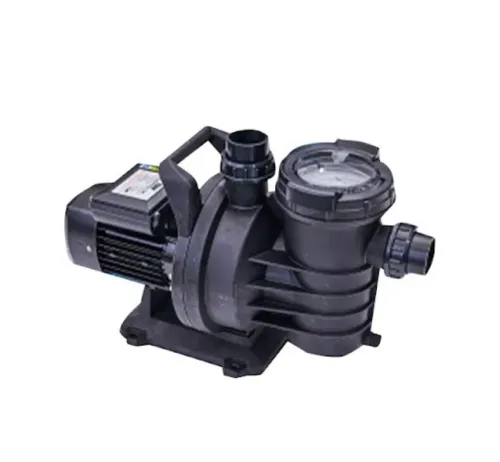
- Available pump capacity
- Water pressure at the installation point
- Required coverage radius
- Water source capacity
- Pipe diameter and length
- Number of rain guns operating simultaneously
These details help determine whether the irrigation arrangement can deliver the expected coverage.
Site Layout Should Guide Positioning
Even a correctly selected rain gun may leave dry or excessively wet areas if placement is poor.
Coverage zones should be planned with suitable overlap where necessary. Obstacles such as buildings, trees and boundary walls should also be considered.
Wind is another practical factor. Strong wind can shift the water pattern, which may affect uniformity and cause water to reach roads, neighbouring plots or other unintended areas.
For open sites around Faridabad, evaluating local site conditions before fixing permanent positions can improve irrigation efficiency.
Maintenance Supports Reliable Operation
Water containing suspended particles may eventually affect nozzle openings or moving components. Filtration, periodic inspection and nozzle cleaning can therefore help maintain performance.
Buyers should also consider whether components can be accessed conveniently for routine maintenance.
When project requirements involve different water-distribution components, manufacturers such as Samudra Industries can help match equipment to application requirements and available system conditions.
Rain guns can reduce the effort involved in watering extensive areas, but successful irrigation depends on more than throw distance. Pump compatibility, site planning, water availability and sensible positioning determine whether the system distributes water where it is actually needed.
Keywords