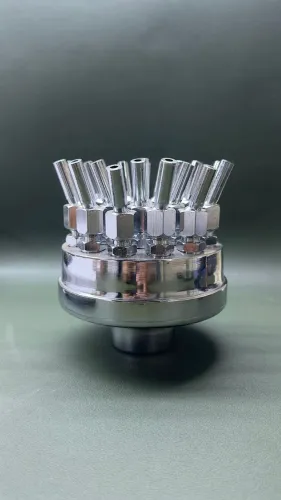
A well-designed fountain depends on much more than water pressure and a pump. The Fountain Nozzles selected for a project determine the shape, height, spread and movement of the water, making nozzle selection one of the most important decisions in fountain planning.
For landscape contractors, architects and property developers working on projects in Delhi, choosing the right nozzle also affects visibility, water consumption, maintenance requirements and the overall character of the installation.
Understanding How Fountain Nozzles Work
A fountain nozzle controls the way pressurised water exits a piping system. Different nozzle designs can transform the same water supply into completely different visual effects.
Depending on the design, a nozzle may create:
- A narrow vertical jet
- A broad water pattern
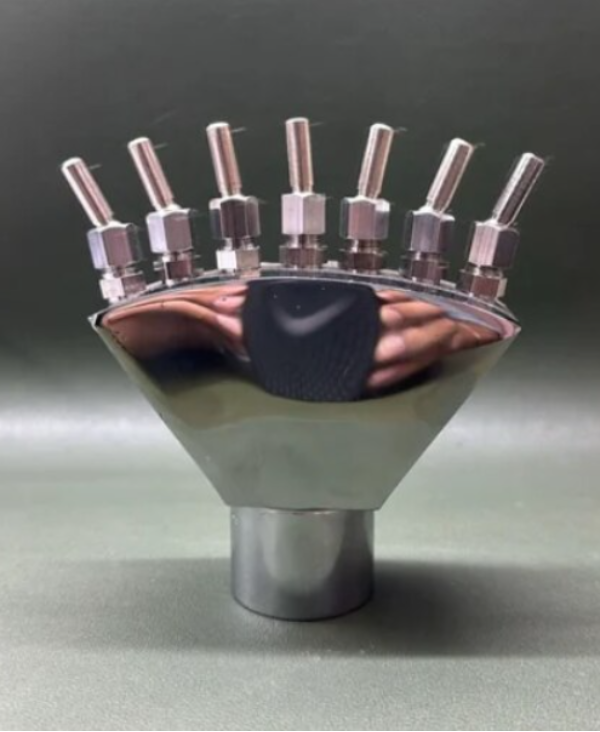
- Multiple individual streams
- Flower-shaped formations
- Geyser-style effects
- Arching water jets
- Rain-like patterns
This flexibility makes nozzles useful across residential landscapes, hotels, malls, parks, institutional campuses and commercial developments.
Why Nozzle Selection Matters
Selecting a nozzle only by appearance can create performance problems later. The intended fountain height, available pump capacity, pipe size, installation depth and wind exposure should all be considered.
Outdoor fountains in Delhi, for example, may require patterns that remain visually effective even when environmental conditions change. A very fine water pattern can be attractive in a protected courtyard but may be less practical in an exposed open space.
Water quality also matters. Smaller openings may require more attention to filtration because sediment and debris can interfere with consistent flow.
Matching the Nozzle to the Application
For smaller decorative fountains, compact patterns can provide visual interest without overwhelming the surrounding landscape. Larger commercial entrances may need taller or wider effects that remain visible from a distance.
Public spaces often require another consideration: splash control. Excessive splash can wet nearby walkways and increase water loss.
Before finalising a fountain design, evaluate:
- Available water pressure and flow
- Desired spray height
- Fountain basin dimensions
- Indoor or outdoor installation
- Wind exposure
- Pump compatibility
- Cleaning and maintenance access
The relationship between these factors is more important than simply choosing the most dramatic-looking nozzle.
Manufacturers such as Samudra Industries can support project teams by helping them evaluate nozzle configurations according to the required water pattern and installation conditions.
A properly selected fountain nozzle brings together engineering and aesthetics. When flow characteristics, pump capacity and the surrounding space are considered together, the resulting fountain is more likely to deliver a controlled and visually balanced water display.
Keywords