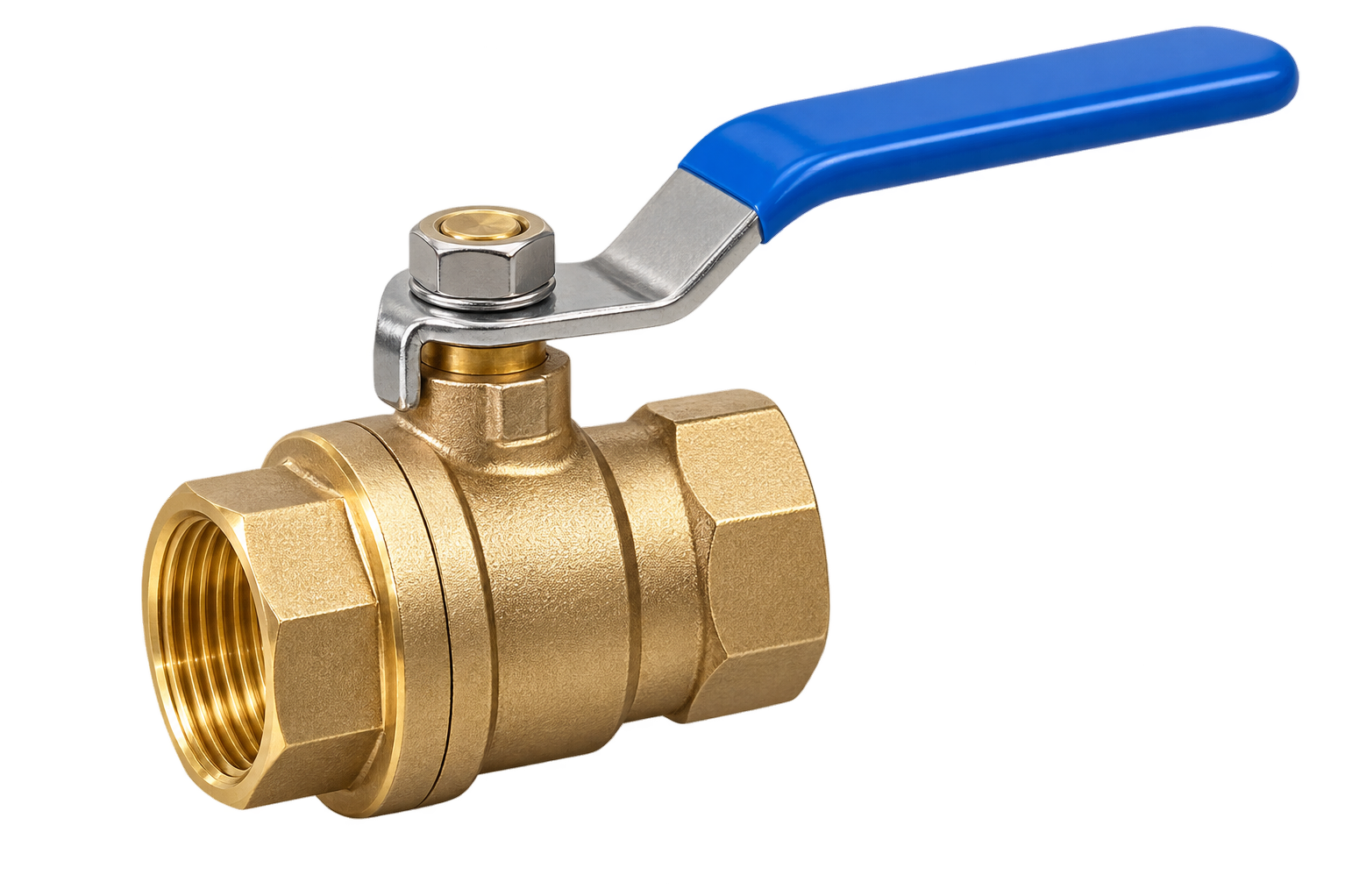
A valve may be a relatively small component within a water system, yet poor valve selection can make flow control, isolation and maintenance unnecessarily difficult. A Ball Valve is commonly used where operators need straightforward on-and-off control within piping systems.
For fountain, swimming pool and irrigation installations in Delhi, selecting valves according to pipe size, operating conditions and maintenance needs can improve the practicality of the overall system.
Why Ball Valves Are Widely Used
Inside a ball valve is a rotating ball with an opening through it. Turning the handle changes the alignment of this opening, allowing or restricting flow.
The quarter-turn operating mechanism makes the valve convenient for applications where quick isolation is useful.
Typical applications may include:
- Fountain circulation lines
- Swimming pool plumbing
- Irrigation systems
- Pump connections
- Water distribution lines
- Maintenance isolation points
The specific valve material and specification should always suit the intended system.
Avoid Choosing Only by Pipe Diameter
Matching nominal pipe size is important, but it should not be the only purchasing criterion.
Operating pressure, water conditions, connection type and expected frequency of use can all affect suitability.
For example, a valve installed near a pump may operate under different conditions from one used on a low-pressure branch line. Likewise, a valve that needs frequent adjustment may have different operational requirements from one used primarily for emergency isolation.
Placement Can Make Maintenance Easier
A properly located valve allows technicians to isolate sections of the system rather than shutting down an entire installation.
In a commercial fountain, valves can be planned so individual water effects or branches can be serviced independently. Pool systems may similarly benefit from accessible isolation points around pumps, filters or other equipment.
This is especially useful for larger projects in Delhi where equipment rooms may contain several interconnected water lines.
When planning valve positions, consider:
- Accessibility
- Flow direction and piping layout
- Equipment requiring isolation
- Space for handle operation
- Future maintenance requirements
Hiding a valve in an inaccessible location can reduce the benefit of installing it in the first place.
Check Compatibility Before Procurement
Project buyers should confirm the valve specification against the system design rather than treating valves as interchangeable plumbing accessories.
For projects involving fountains, irrigation or pool systems, sourcing compatible components from a manufacturer familiar with these applications can simplify procurement. Samudra Industries supplies water-system and fountain-related products for different project requirements.
Ball valves perform a straightforward function, but that function becomes important whenever equipment needs servicing or flow needs to be stopped quickly. Appropriate sizing, suitable specifications and accessible installation can make water systems easier to operate throughout their service life.
Keywords